Archives February 2026

How to Make a Salt-Based Cleaner

In recent years, many people have become increasingly aware of the harmful chemicals found in commercial cleaning products. If you’re looking for a more natural alternative that is both effective and safe for your family, consider making your own salt-based cleaner. Salt has been used for centuries as a natural disinfectant and abrasive, making it an ideal ingredient for cleaning bathrooms. This guide will walk you through the steps to create your very own salt-based bathroom cleaner.
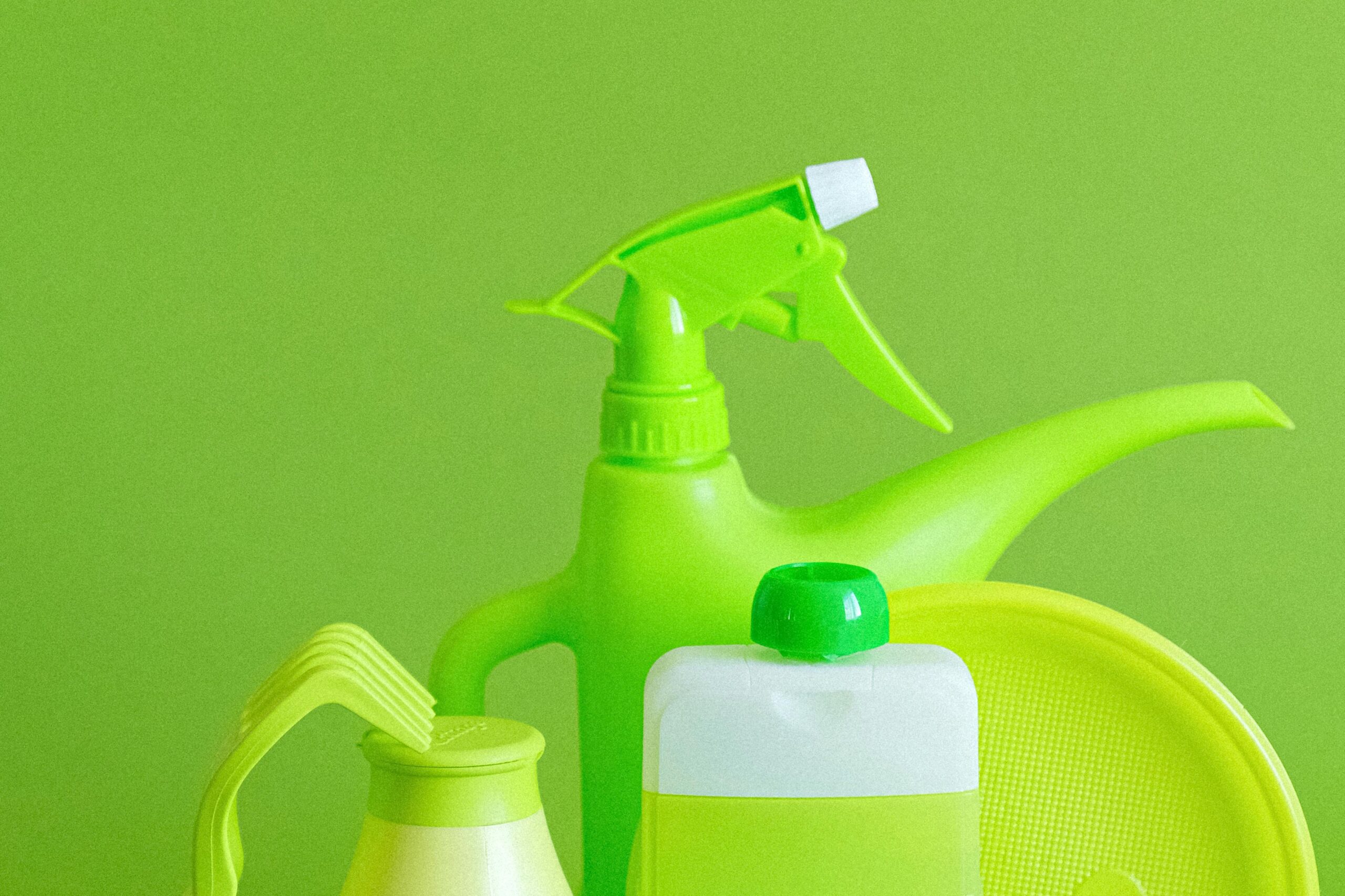
cleaning supplies

What You Will Need

  • 1 cup of salt (preferably sea salt)
  • 1 cup of baking soda
  • 1 cup of white vinegar
  • 1 cup of water
  • A spray bottle
  • A mixing bowl
  • A spoon or whisk

Step-by-Step Instructions

Follow the steps below to create your salt-based cleaner:

Step 1: Mix the Dry Ingredients

In a mixing bowl, combine the salt and baking soda. Stir well until they are evenly mixed. The baking soda will help to enhance the cleaning power of the salt, while also acting as a deodorizer.

Step 2: Add the Wet Ingredients

Gradually add the white vinegar to the dry mixture. You will notice that it starts to fizz as the vinegar reacts with the baking soda. This reaction is normal and helps to create a powerful cleaning solution.

Step 3: Dilute with Water

Once the fizzing has subsided, add the cup of water to the mixture. Stir until everything is well combined. This will create a liquid cleaner that is easy to spray onto surfaces.

Step 4: Transfer to a Spray Bottle

Carefully pour the mixture into a clean spray bottle using a funnel if necessary. Make sure to label your spray bottle so that you remember what it contains.

How to Use Your Salt-Based Cleaner

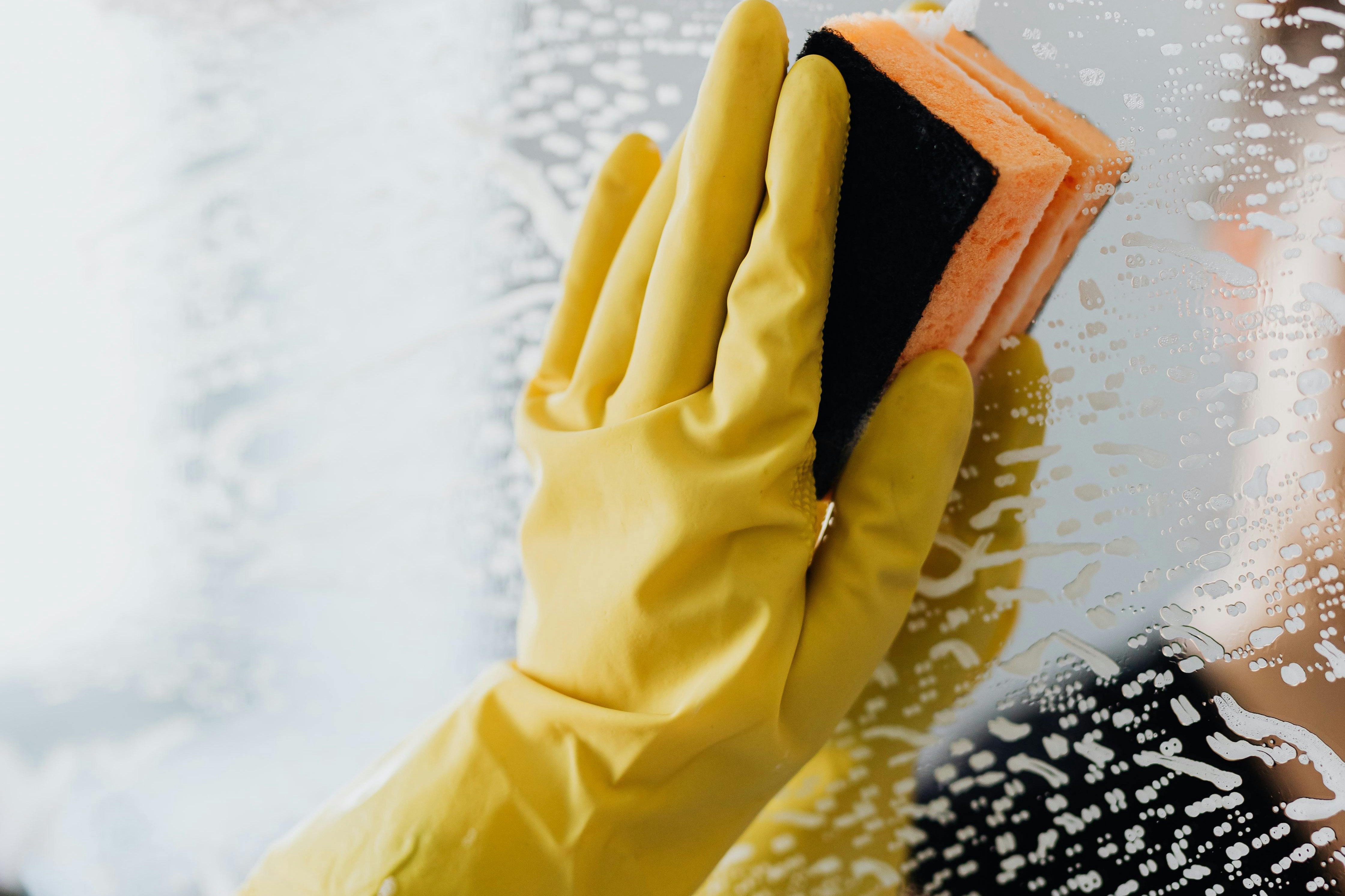
To use your newly created salt-based cleaner, simply spray it onto the surfaces you want to clean, such as sinks, countertops, and bathroom tiles. Let it sit for a few minutes to allow the solution to work its magic, then wipe it clean with a cloth or sponge. The salt will act as a gentle abrasive, while the vinegar helps to disinfect and remove stains.

Conclusion

Making your own salt-based cleaner is not only easy and inexpensive, but it also allows you to avoid harsh chemicals found in commercial products. With just a few simple ingredients, you can create an effective and eco-friendly cleaning solution that will leave your bathroom sparkling clean. Give it a try and see the difference!


Benefits of Using Salt in Cleaning

When it comes to household cleaning, many of us reach for commercial products laden with chemicals without realizing that there are effective, natural alternatives right in our kitchen. One such alternative is salt. This humble mineral can be an incredibly powerful cleaning agent, especially in the bathroom where grime and hard water stains tend to accumulate. In this post, we will explore the various benefits of using salt for cleaning and how it can help you maintain a sparkling clean bathroom.

First and foremost, salt is a natural disinfectant. It has been used for centuries to purify and cleanse. When combined with other natural ingredients like vinegar or lemon juice, salt can enhance its cleaning power, allowing it to tackle tough stains and odors. For instance, a paste made from salt and vinegar can effectively remove soap scum from shower doors and tiles.

Additionally, salt acts as a gentle abrasive, making it perfect for scrubbing surfaces without causing damage. If you’ve ever tried to clean a stained sink or bathtub, you know how frustrating it can be to find a solution that works without scratching the surface. Salt can help here, providing just the right amount of grit to lift stains while being safe for most materials.

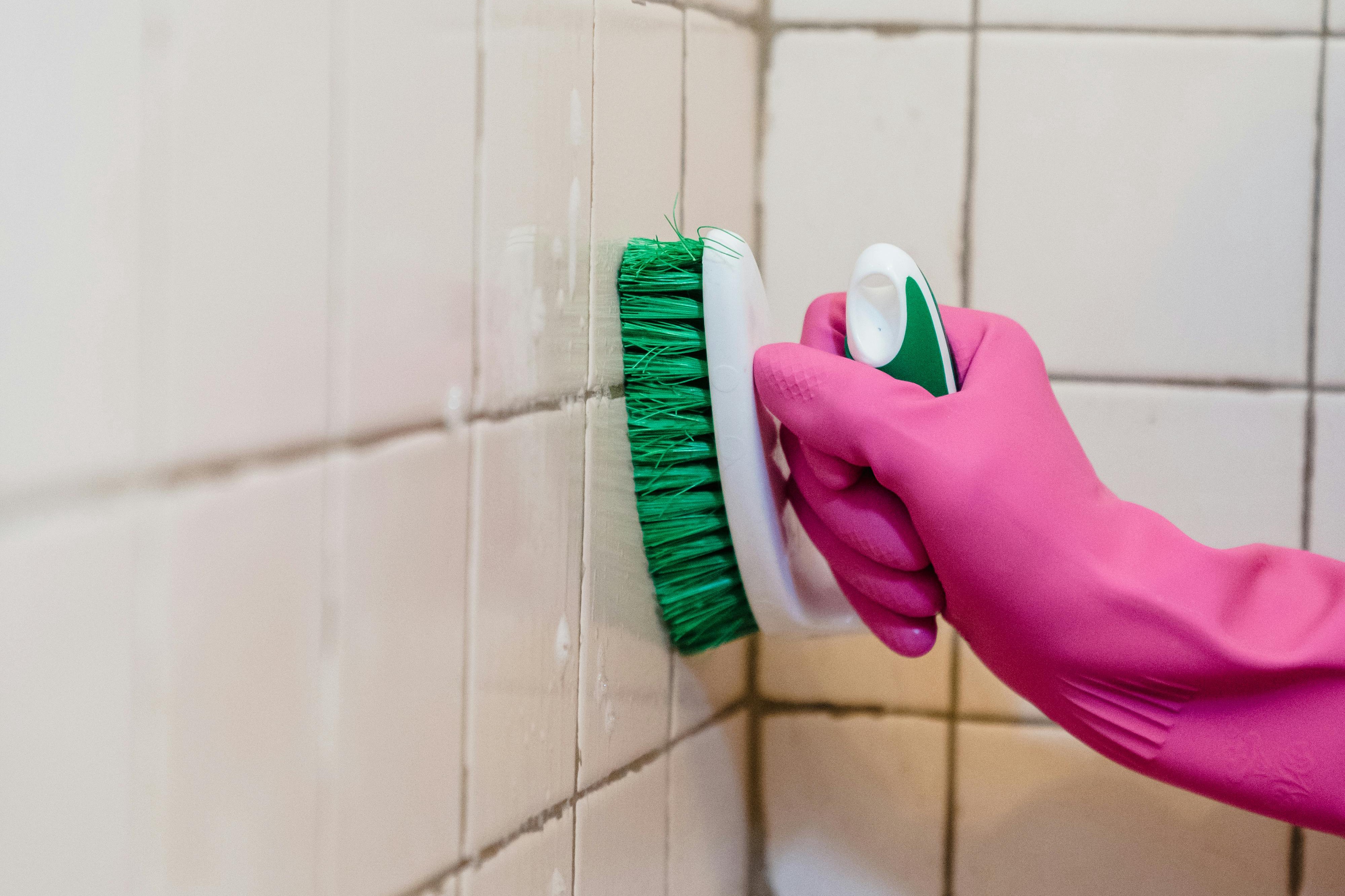
natural cleaning

Another benefit of using salt is its ability to combat mold and mildew, which are common problems in bathrooms due to the high humidity. A sprinkle of salt in the corners of your shower or on damp areas can help inhibit the growth of these unwanted fungi. Plus, it’s a lot safer than using commercial mold removers that often contain harmful chemicals.

Moreover, salt is incredibly inexpensive and widely available, making it a cost-effective cleaning solution. You can buy a large container of salt for just a few dollars, and it can last you a long time. This makes it an excellent option for those looking to save money without compromising on cleanliness.

Lastly, using salt for cleaning is environmentally friendly. With the increasing concern about the impact of chemical cleaners on our planet, opting for natural alternatives like salt helps reduce your carbon footprint. Salt is biodegradable and does not contribute to water pollution, making it a sustainable choice for your cleaning routine.

In conclusion, incorporating salt into your bathroom cleaning routine can lead to a cleaner, safer, and more environmentally-conscious home. From its disinfecting properties to its gentle abrasive quality, salt proves to be a versatile cleaning agent. So next time you’re faced with a tough stain or a stubborn soap scum buildup, consider reaching for the salt instead of the harsh chemicals!

DIY Salt Scrub for Surfaces

Are you looking for a natural and effective way to clean your bathroom surfaces? Look no further than a DIY salt scrub! Salt scrubs are not only easy to make but also provide a gentle yet abrasive texture that helps to remove dirt and grime without damaging your surfaces. In this post, we’ll guide you through the process of making your own salt scrub for various bathroom surfaces.

### Ingredients You’ll Need:

  • 1 cup of coarse sea salt
  • 1/2 cup of coconut oil (or olive oil)
  • Essential oils (optional for fragrance)
  • Airtight container for storage

### Instructions:

  1. Mix the Ingredients: In a mixing bowl, combine the coarse sea salt and coconut oil. The coconut oil should be melted for easier mixing. Stir the mixture until it’s well-combined. If you’d like to add a pleasant scent, incorporate a few drops of your favorite essential oil, such as lavender or tea tree oil.
  2. Store Your Scrub: Once everything is mixed well, transfer the scrub into an airtight container. This scrub can typically last for a few months if stored in a cool, dry place.
  3. Apply the Scrub: To use the scrub, simply scoop out a small amount and gently rub it onto the desired surface using circular motions. This technique not only cleans but also exfoliates the surface. Rinse with warm water and wipe dry with a clean cloth for a sparkling finish.

### Benefits of Using a Salt Scrub:

Salt scrubs are excellent for a variety of surfaces in your bathroom, including sinks, tubs, and countertops. They offer several benefits:

  • Natural Ingredients: Made from simple, natural ingredients, they are a safe alternative to commercial cleaners that may contain harsh chemicals.
  • Exfoliation: The coarse salt helps to exfoliate surfaces, removing built-up grime and soap scum effectively.
  • Cost-effective: Making your own scrub is economical compared to buying expensive cleaning products.

Give this DIY salt scrub a try, and you’ll be amazed at how well it works to keep your bathroom looking fresh and clean. Not only will you enjoy a spotless environment, but you’ll also appreciate the peace of mind that comes from using a product made with your own hands.

cleaning supplies

Happy cleaning!

Comparing Salt and Chemical Cleaners

Cleaning our homes and surroundings is a necessity that everyone has to deal with. The market is flooded with various cleaning solutions, from chemical cleaners that promise to wipe out bacteria and grime to natural alternatives like salt that have been used for centuries. In this post, we will compare the effectiveness of salt as a cleaning agent to that of traditional chemical cleaners.

Salt has been used for cleaning purposes for a long time. Its natural abrasive quality makes it an excellent scrubbing agent, while its ability to absorb moisture helps in eliminating dampness and odors. When mixed with vinegar or lemon juice, it can create a powerful cleaning solution that tackles tough stains, especially on surfaces like cutting boards and countertops. Salt is not only effective, but it’s also safe for the environment and less harmful to human health.

On the other hand, traditional chemical cleaners contain a variety of substances that are designed to cut through grime and bacteria effectively. Products like bleach and ammonia can be highly effective for disinfecting surfaces and removing stubborn stains. However, they can also pose health risks, including respiratory issues or skin irritation, particularly for individuals with sensitivities or allergies. Additionally, many chemical cleaners have a significant environmental impact, contributing to pollution and waste.

When it comes to effectiveness, both salt and chemical cleaners have their strengths. For day-to-day cleaning and maintenance, salt can be a fantastic alternative, especially in households with children or pets. It is affordable, easily accessible, and poses far fewer health risks compared to chemical cleaners. However, for situations that require a deep clean or disinfection, such as during illness outbreaks or in commercial settings, chemical cleaners may be necessary.

Ultimately, the choice between salt and chemical cleaners comes down to personal preference, specific cleaning needs, and environmental considerations. Many people are now opting for eco-friendly cleaning solutions, making salt a popular alternative in modern homes. As we continue to seek out sustainable options, the age-old cleaning power of salt deserves a place in our cleaning routines.

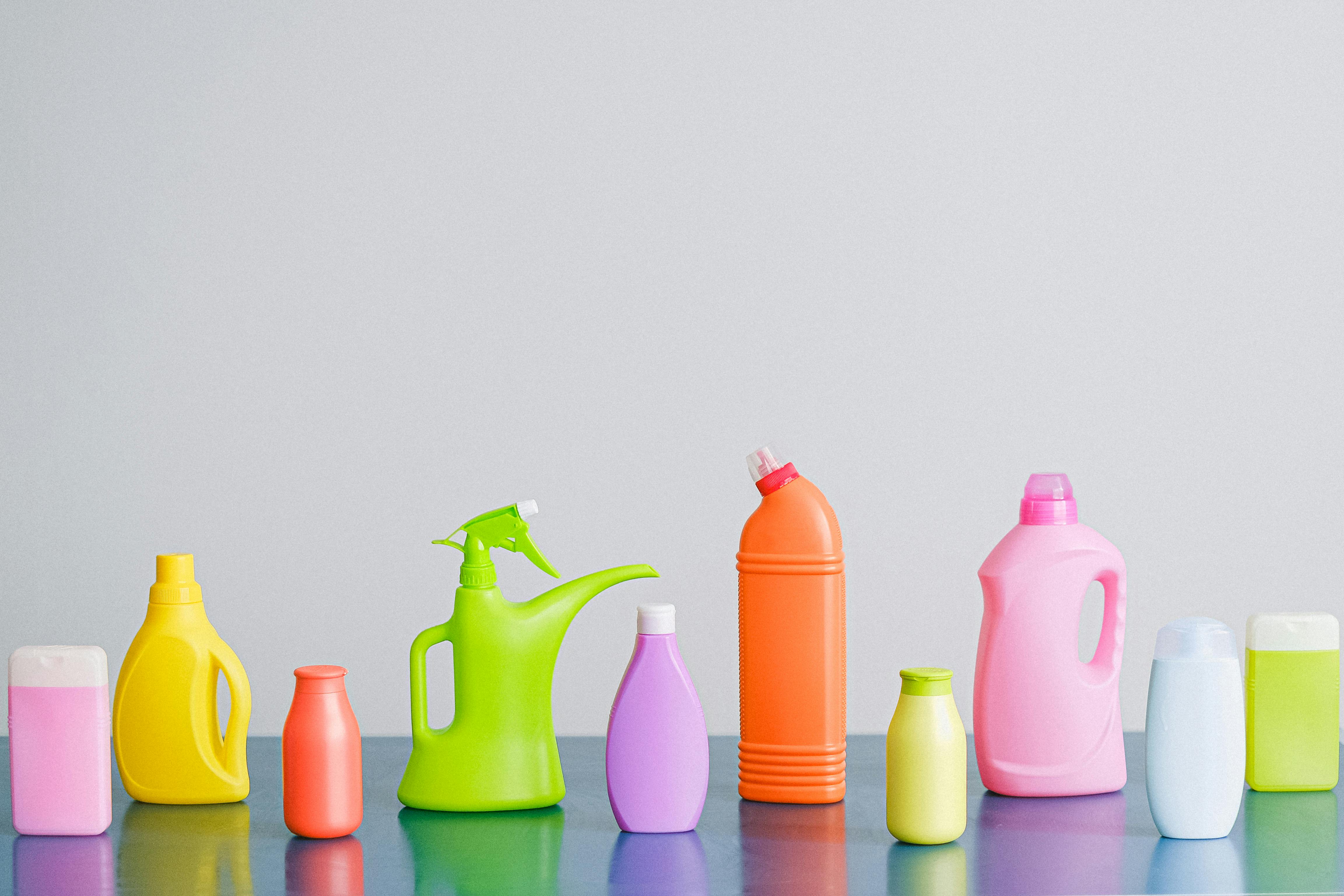
cleaning supplies

Eco-Friendly Cleaning Tips

In today’s world, maintaining an eco-friendly lifestyle is becoming increasingly important, especially in our homes. One area that often gets overlooked is the bathroom. With the right cleaning products and practices, we can keep our bathrooms sparkling clean while also being kind to the environment. Here are some tips to help you establish an eco-friendly bathroom cleaning routine.

clean bathroom

First and foremost, consider switching to natural cleaning products. Many commercial cleaners contain harmful chemicals that can not only be detrimental to your health but also to the environment. Look for products that are labeled as ‘non-toxic’ or ‘biodegradable’. Alternatively, you can make your own cleaners using simple ingredients like vinegar, baking soda, and essential oils. For example, a mixture of vinegar and water can effectively clean mirrors and glass surfaces, leaving them streak-free.

Another tip is to use reusable cleaning cloths instead of disposable paper towels. Microfiber cloths are excellent for this purpose, as they can be washed and reused multiple times. This not only reduces waste but also saves you money in the long run. Additionally, consider investing in a good quality toilet brush and a natural toilet cleaner that is safe for your septic system.

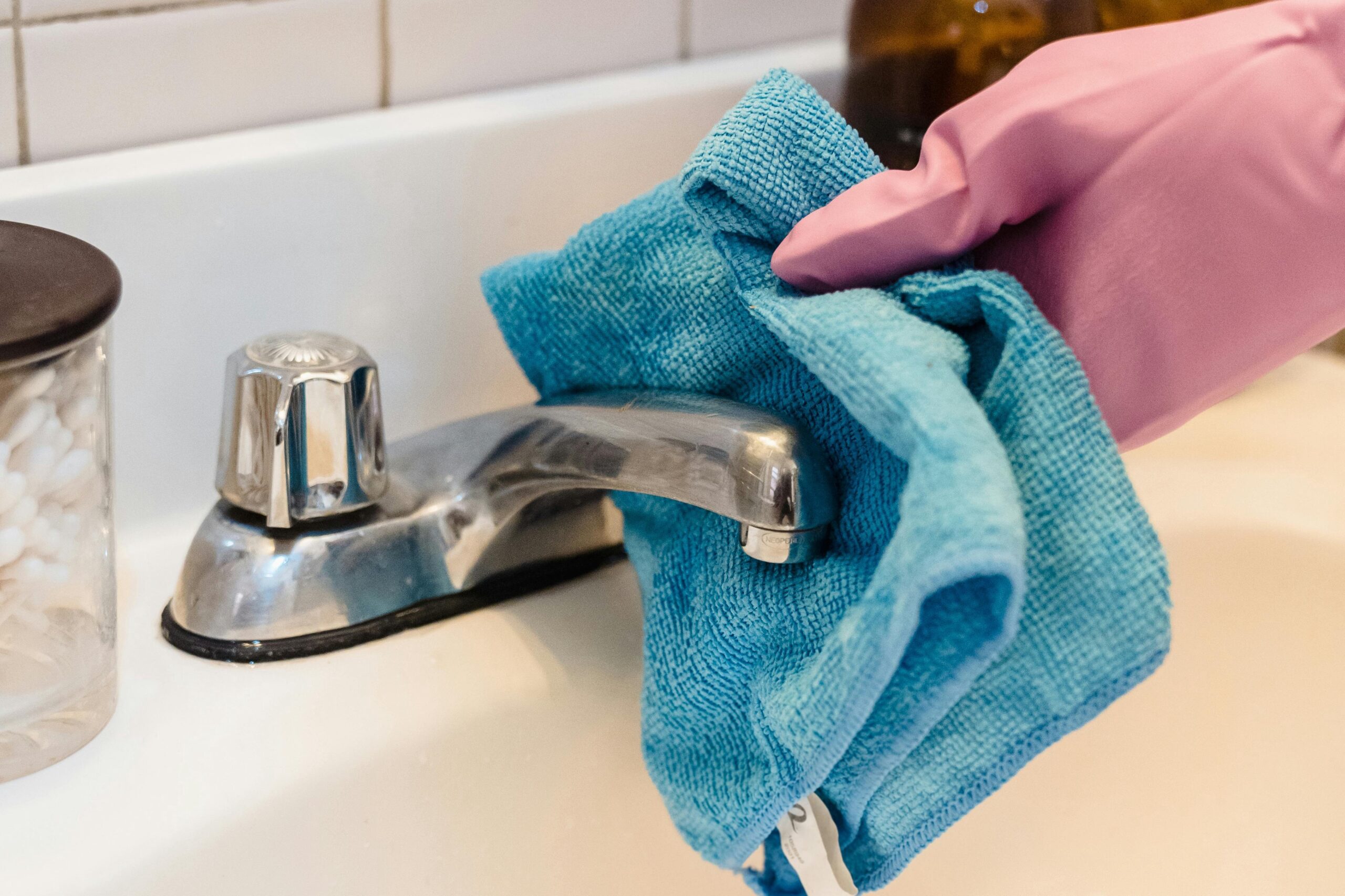
To maintain a clean bathroom, it’s important to establish a regular cleaning schedule. Set aside a specific time each week to clean your bathroom thoroughly. A quick daily wipe down can also help prevent grime and soap scum from building up. Focus on high-touch areas like faucets, doorknobs, and light switches, as these are often breeding grounds for germs.

Don’t forget about your bathroom’s air quality! Instead of using chemical air fresheners, consider using essential oils or natural air purifiers like activated charcoal. These options not only keep your bathroom smelling fresh but also contribute to a healthier indoor environment.

Lastly, remember to dispose of your old cleaning products responsibly. Many local communities have hazardous waste disposal programs that can help you safely get rid of toxic cleaners. By making the switch to eco-friendly cleaning solutions and practices, you’ll not only create a healthier space for yourself and your family but also contribute to a more sustainable planet.

Contacts

+333906191158

+337586362968

[email protected]

22, Rue Poncelet, Quartier des Ternes, 17th Arrondissement, Paris, Paris

Our Team

Ethan Harris

Ethan Harris

Logistics Manager
Daniel Thompson

Daniel Thompson

Regional Sales Director
Mia White

Mia White

Communications Manager